
Business
IFC’s $22 Billion Africa Push Runs Up Against Shallow Markets
By Katherine Langford
Advertisement · Why this ad?
Marcus manages the day-to-day editorial workflow across all brands, coordinating coverage assignments and ensuring editorial standards are met. He previously served as city editor at the Pioneer Press and holds a degree in Political Science from Carleton College.
More from Marcus →
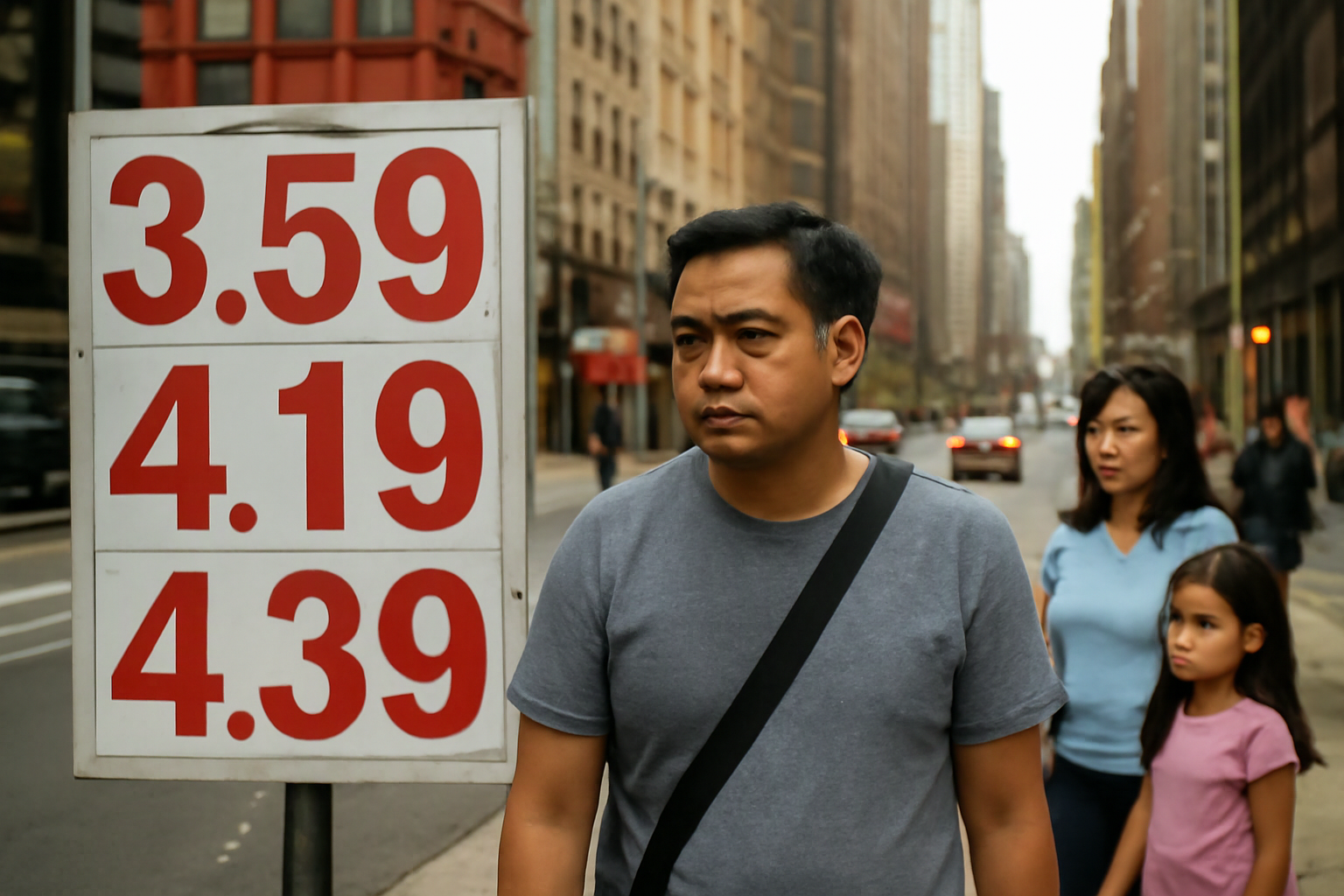
As the sun sets over bustling New York City, a stark reality looms for families: rising food prices. The benchmark Asian rice price has surged to its highest level in nearly two years, driven by the impacts of the El Niño weather phenomenon. This spike not only threatens to inflate grocery bills but also raises concerns about food security for millions, particularly among lower-income households.
In recent weeks, rice prices in Asia have climbed significantly, reaching levels not seen since early 2022. This increase is largely attributed to the El Niño weather pattern, which is known for causing erratic weather conditions that can disrupt agricultural production. The current El Niño is expected to persist, leading to adverse weather conditions across major rice-producing countries, including Thailand and Vietnam.
The surge in prices is alarming for consumers and economists alike. The Food and Agriculture Organization (FAO) has noted that rice is a staple for over half of the world’s population, making its price fluctuations particularly impactful. As of late last week, rice prices had soared by approximately 12% in just a month, with projections indicating that this trend could continue if production does not stabilize.
Historically, rice prices have shown sensitivity to weather patterns, but the current situation is exacerbated by several factors. The FAO recently reported that global food prices are already on the rise, with rice being a significant contributor to the overall inflation rate. In the U.S., food inflation has been a persistent issue, and this spike in rice prices may further strain household budgets.
In New York City, where many families rely on affordable grocery options, the ramifications of rising rice prices could be profound. Many local markets serve immigrant communities who traditionally consume rice as a dietary staple. As prices rise, these families may find it increasingly difficult to maintain their food budgets, leading to difficult choices between quality nutrition and other essential expenses.
The implications of rising rice prices extend beyond mere numbers on a grocery receipt. For many families, rice is not just a food item; it is a cultural cornerstone. Families who gather around the dinner table to share rice-based meals may find their traditions threatened by escalating costs. Community leaders in areas with high immigrant populations are already expressing concern about how these price increases will affect family dynamics and food security.
Maria Gonzalez, a community organizer in Queens, emphasizes the importance of stable food prices for family cohesion. "When families struggle to afford basic staples like rice, it creates stress that can ripple through the entire household," she noted. "We need to advocate for policies that protect our communities from these kinds of market fluctuations."
In neighborhoods like Jackson Heights and Sunset Park, where diverse cultures converge, rice is integral not only to daily meals but also to community identity. Residents often host gatherings that celebrate their heritage through food, with rice as a central element. As prices rise, these cultural practices could be jeopardized, impacting not just nutrition but also the social fabric of these communities.
The rising cost of rice also poses significant challenges for local businesses that cater to these communities. Small grocery stores, often family-owned, are feeling the pressure as they attempt to keep prices affordable while managing their own increased costs. Many of these stores have already begun to limit the quantity of rice they stock or have increased prices slightly to offset their own losses. This adjustment, however, risks alienating customers who are already struggling to make ends meet.
Moreover, restaurants that serve rice-based dishes, particularly those in neighborhoods with significant immigrant populations, may also experience a downturn in business. Owners like Minh Nguyen, who runs a popular Vietnamese restaurant in Brooklyn, have reported a noticeable decrease in customer visits as patrons cut back on dining out due to rising food prices. "We are trying to keep our prices as low as possible, but if rice prices continue to rise, we may have to make tough decisions about our menu," he shared. "Rice is essential to our cuisine, and without it, we lose part of our identity."
As the situation develops, government officials are under pressure to address the potential fallout from rising rice prices. The U.S. Department of Agriculture (USDA) has been monitoring the situation closely, and discussions are underway regarding possible interventions to stabilize prices. This could include measures to support local farmers or initiatives aimed at increasing rice imports from unaffected regions.
Additionally, local governments are exploring options to assist low-income families who may be disproportionately affected by these price hikes. Programs aimed at providing food assistance and subsidies could be expanded to ensure that families can continue to access essential food items without facing financial ruin.
In New York City, the Human Resources Administration (HRA) is already gearing up to respond. They are considering increasing outreach efforts to ensure that families are aware of available assistance programs, such as Supplemental Nutrition Assistance Program (SNAP) benefits, which can help alleviate some of the financial burden caused by rising food prices. Community organizations are also gearing up to provide educational resources on budgeting and nutrition, helping families navigate these challenging times.
Looking ahead, the trajectory of rice prices remains uncertain. Experts warn that if El Niño continues to disrupt production, prices could rise even further, compounding the existing pressures on food inflation. For families in New York City and across the nation, the stakes are high. The potential for increased food insecurity looms large, particularly among vulnerable populations.
As the community grapples with these challenges, the importance of strong family structures becomes even more apparent. Families that maintain open communication and support one another during tough times are better equipped to navigate economic hardships. The American dream of stability and prosperity is increasingly tied to how well families can adapt to changing circumstances.
Moreover, local businesses that thrive on the sale of rice and other staples may also feel the pinch. Grocery stores and restaurants that cater to communities reliant on rice could see a decrease in sales, leading to broader economic implications. Small business owners may need to adjust their pricing strategies or seek alternative suppliers to mitigate the impact of rising costs.
In conclusion, the rise in rice prices serves as a stark reminder of how interconnected our global food systems are. As El Niño continues to disrupt production, families in New York City and beyond will need to stay informed and resilient. Community support, government intervention, and a commitment to family values will be crucial in weathering this storm. As the city navigates these turbulent waters, it is vital for all stakeholders—government, community leaders, and families—to come together to ensure that food security remains a priority.
By Katherine Langford

By Katherine Langford
By Marcus Chen
By Marcus Chen