
Technology
What voters said about their views on crypto
By Marcus Chen
Advertisement · Why this ad?
Katherine oversees editorial operations across all six brands. Before joining The Meridan Group, she spent 14 years at the Minneapolis Star Tribune, where she led the metro desk through its digital transformation. She holds a Master's in Journalism from Northwestern's Medill School.
More from Katherine →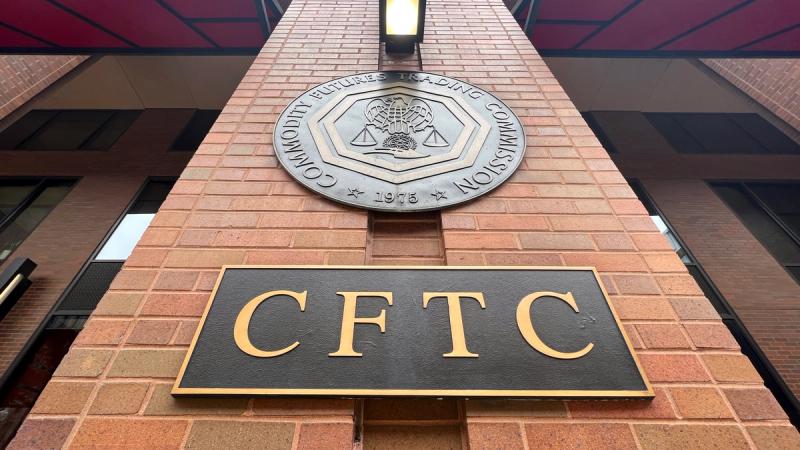
In a bustling office in Manhattan, a group of financial analysts huddles around a conference table, poring over the latest developments in the commodities and futures markets. Among them is Sarah Thompson, a senior analyst at a leading investment firm, whose eyes light up as she discusses the implications of a recent legal clash involving the Commodity Futures Trading Commission (CFTC). This case, which centers on the legality of stock perpetual contracts, has ignited a debate that could reshape the landscape of both traditional and digital financial markets.
The CFTC has found itself embroiled in a legal battle concerning stock perpetual contracts, a financial instrument that allows traders to hold positions indefinitely without the obligation to own the underlying asset. This legal clash comes on the heels of the CFTC's recent move to clear the path for a crypto version of these contracts, which has drawn both excitement and scrutiny from various stakeholders. The agency's actions have sparked questions about its regulatory authority and the future of trading in both traditional and cryptocurrency markets.
On October 15, 2023, the CFTC announced its intent to regulate stock perpetual contracts, a decision that was met with immediate pushback from several major trading firms. These firms argue that the CFTC's jurisdiction does not extend to these types of contracts, leading to a contentious legal dispute that could set significant precedents for how such financial products are regulated in the future.
The backdrop of this legal confrontation is the CFTC's evolving role in the financial landscape, particularly as it relates to cryptocurrencies. Historically, the CFTC has focused on commodities and futures markets, but as digital assets have surged in popularity, the agency has sought to expand its regulatory framework to include these new financial instruments. The recent approval of crypto perpetual contracts has highlighted the agency's willingness to adapt to the changing market dynamics.
However, critics argue that the CFTC's move could lead to overreach, potentially stifling innovation in the rapidly evolving fintech sector. The tension between regulatory oversight and the need for market flexibility is palpable, as industry leaders voice concerns that excessive regulation could hinder the growth of both traditional and digital financial markets.
Several key players have emerged in this legal battle, including prominent trading firms and legal experts who are weighing in on the implications of the CFTC's actions. Firms like Citadel Securities and Jump Trading have publicly opposed the CFTC's jurisdiction over stock perpetual contracts, arguing that such oversight could disrupt established trading practices.
Legal experts are also weighing in, noting that the outcome of this dispute could have far-reaching implications for the regulatory landscape. According to Professor Jane Richards, a legal scholar at New York University, "The CFTC's assertion of jurisdiction over stock perpetuals could redefine the boundaries of regulatory authority in the financial markets, potentially leading to a more fragmented landscape if not managed carefully."
The ramifications of this legal clash extend beyond Wall Street, affecting everyday investors and the broader financial community. Many retail investors who have embraced stock perpetual contracts as a way to gain exposure to the markets are now left in uncertainty. The potential for increased regulation could lead to higher costs and reduced access to these trading products, impacting individual investors' ability to participate in the market.
Moreover, the outcome of this legal battle may influence how financial institutions approach innovation. As firms weigh the risks of regulatory scrutiny against the potential rewards of new financial products, the landscape of investment opportunities could shift significantly. This uncertainty may prompt some firms to retreat from innovative offerings, stifling competition and limiting choices for consumers.
Local investment clubs, such as the NYC Investors Club, have voiced concerns about the potential fallout from this legal battle. Many members, who are predominantly retail investors, fear that increased regulation could diminish their ability to leverage new financial instruments that have democratized access to trading. Club president Mark Johnson stated, "We are in a precarious position where the very tools that empower us as investors could be taken away under the guise of regulation."
As the legal battle unfolds, investors are encouraged to stay informed about the developments surrounding stock perpetual contracts and the CFTC's regulatory stance. Resources such as the CFTC's official website provide updates on regulatory changes and guidance for traders navigating this evolving landscape. Additionally, financial news platforms like Bloomberg and Reuters offer insights and analyses that can help investors make informed decisions.
Furthermore, educational resources from organizations such as the Financial Industry Regulatory Authority (FINRA) can assist investors in understanding the complexities of new financial instruments and the associated risks. Engaging with these resources will empower investors to navigate the challenges posed by regulatory changes.
Looking ahead, the CFTC's legal clash over stock perpetual contracts is likely to unfold over the coming months, with significant implications for both traditional and cryptocurrency markets. As the agency seeks to assert its authority, market participants will be closely monitoring the situation, weighing the potential impacts on their trading strategies and business models.
Industry analysts anticipate that the outcome of this legal battle could lead to a more defined regulatory framework for stock perpetual contracts, potentially paving the way for clearer guidelines that could benefit both traders and regulators alike. However, the path forward remains uncertain, and stakeholders must remain vigilant as the situation develops.
In the meantime, the call for a balanced approach to regulation persists. Advocates for innovation urge the CFTC to consider the potential benefits of new financial products while ensuring adequate protections for investors. Striking this balance will be crucial as the agency navigates the complexities of regulating an increasingly interconnected financial landscape.
As the legal proceedings progress, the CFTC may also engage in consultations with industry stakeholders to gather insights and feedback. These discussions could provide a platform for traders, financial firms, and legal experts to voice their concerns and suggestions, potentially influencing the agency's regulatory approach. It is imperative for the CFTC to foster an environment where innovation can thrive while ensuring the safety and integrity of the financial markets.
Furthermore, as the community watches closely, local forums and meetups are expected to emerge, allowing investors and interested parties to discuss the implications of the CFTC's decisions. These grassroots efforts will not only educate the public but also create a collective voice advocating for fair and informed regulations that reflect the realities of today's fast-paced financial environment.
By Marcus Chen

By Katherine Langford

By Katherine Langford

By Katherine Langford